


Opening Thought
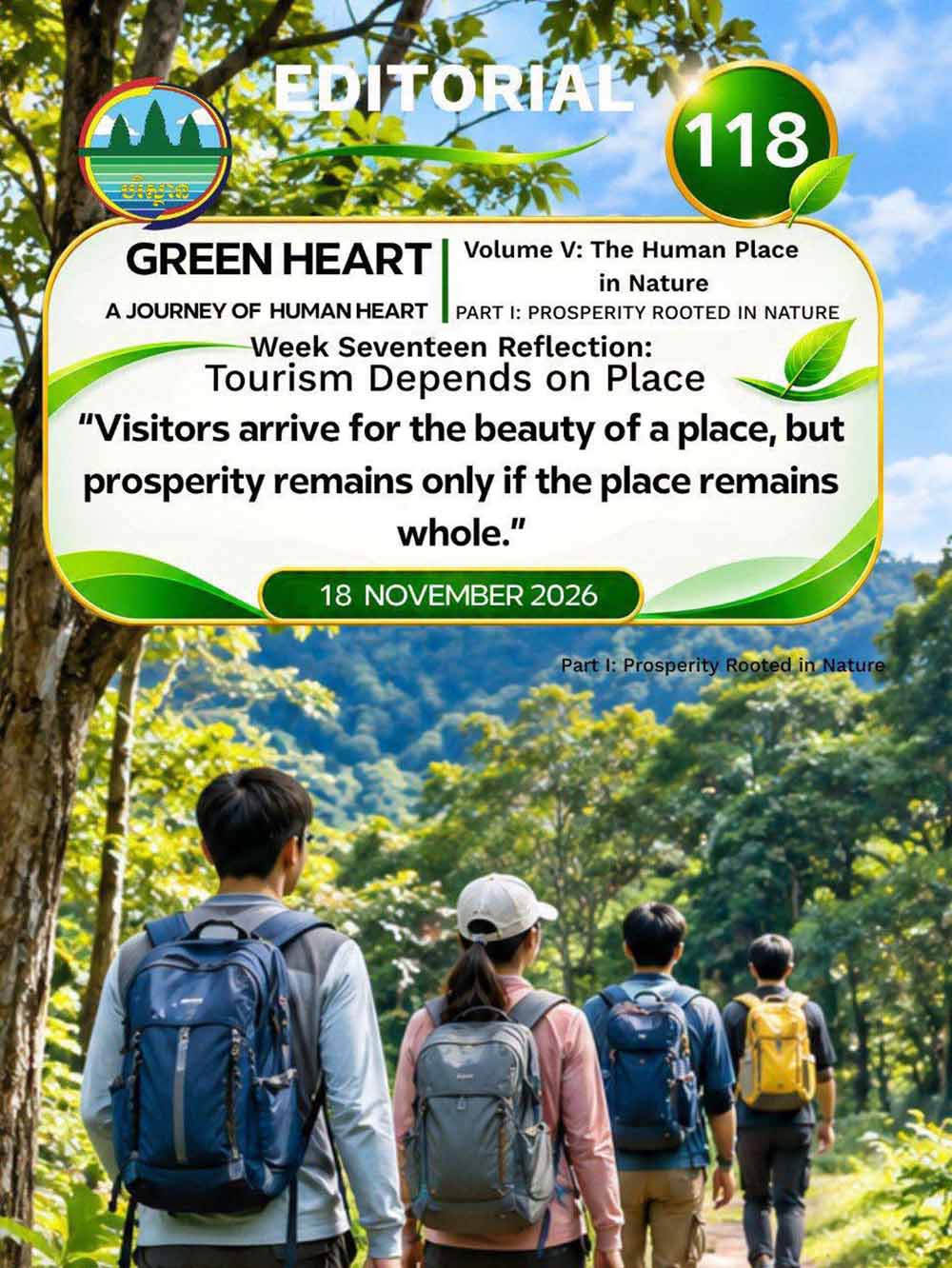
“Visitors arrive for the beauty of a place, but prosperity remains only if the place remains whole.”
Editorial
Tourism can create jobs, support small businesses, finance conservation, strengthen cultural pride, and bring visitors into meaningful contact with nature. It can also create waste, water pressure, traffic, habitat disturbance, rising prices, and cultural disrespect.
The product of tourism is often the place itself: a beach, forest, temple, wildlife encounter, village, cuisine, landscape, or festival. Damaging that foundation weakens both identity and future income.
Visitor numbers are not the only measure of success. Local income, job quality, length of stay, environmental condition, resident satisfaction, cultural respect, and visitor learning may matter more.
Carrying capacity is not one fixed number. The impact of visitors depends on season, behavior, infrastructure, site sensitivity, management, transport, and community tolerance. Monitoring should guide adjustments.
Local ownership helps benefits remain in the community. Guides, homestays, food, crafts, transport, restoration, and interpretation can create varied opportunities. Outside investment may add capital and marketing, but fair contracts and community participation matter.
Wildlife tourism requires distance and restraint. Feeding, touching, crowding, noise, flash, or chasing can change animal behavior and create danger. Trained guides and clear rules protect animals and visitors.
Cultural tourism should not turn people into displays. Photography, sacred sites, dress, language, ceremonies, and private spaces require respect and consent. Communities should decide what they wish to share.
Tourism also produces emissions through travel and buildings. Efficiency, cleaner energy, longer meaningful stays, public transport, waste reduction, water care, and credible climate action can reduce impact.
Fees can support conservation, but residents should see transparent benefits. If communities carry restrictions while revenue leaves, resentment grows.
Students can become responsible visitors even near home: follow paths, carry waste, learn local history, respect rules, support local services, and leave wildlife undisturbed.
Tourism succeeds when the place is not consumed by being admired. The best visitor economy helps residents remain proud to call the destination home.
Tourism businesses can prepare through codes of conduct, staff training, water and waste plans, emergency procedures, resident feedback, and transparent conservation contributions. Responsibility must be built into operations, not added only to advertising.
Buddhist Reflection
Mindful travel receives beauty without demanding possession. Gratitude respects hosts, limits, culture, and the living place that made the experience possible.
Today’s Reflection
Which measure besides visitor numbers would show whether tourism is helping a place?
Today’s Action
Create a responsible visitor checklist covering wildlife, water, waste, culture, local benefit, transport, and consent.
Today’s Pledge
Today I will travel as a grateful guest and support tourism that keeps places whole.
When we protect nature, we protect all beings—including ourselves.