


Opening Thought
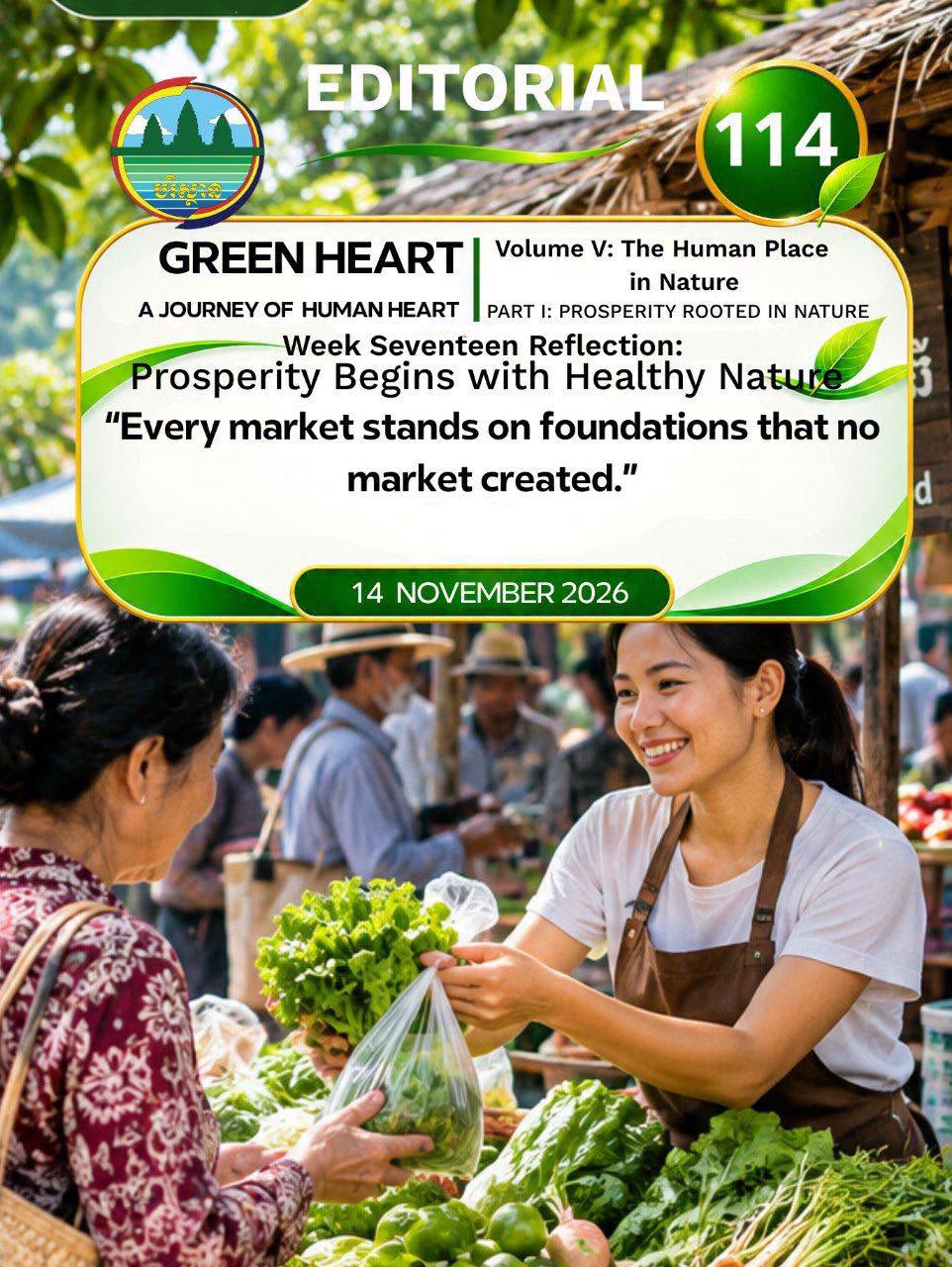
“Every market stands on foundations that no market created.”
Editorial
Farms depend on soil, water, climate, pollination, seeds, and ecological knowledge. Fisheries depend on habitat, water quality, food webs, and renewal. Cities depend on watersheds, materials, energy, and stable conditions. The economy rests within nature.
Economists sometimes describe forests, rivers, soils, minerals, biodiversity, and other natural assets as natural capital. The term helps decision-makers recognize that degrading nature can reduce future benefits.
The language has limits. Nature is not merely financial capital owned for human use. A species, sacred place, or ancestral landscape may hold value that cannot be replaced or expressed in money. Counting economic benefits should expand care, not narrow it.
Healthy ecosystems can support productivity and reduce costs. Wetlands may help manage floods, forests influence water, urban trees reduce heat, and soil health supports harvests. Damage may create hidden expenses through illness, treatment, lost work, disaster, or declining livelihoods.
These costs often appear later or elsewhere. A company may profit from an activity while a downstream community pays for polluted water. A cheap product may be inexpensive at the store because worker, health, waste, or climate costs are carried by others.
Prosperity rooted in nature looks at the full system. It protects sources, maintains assets, monitors limits, and recognizes the people whose stewardship keeps benefits flowing.
This does not mean that nature must remain untouched. Societies need homes, roads, energy, food, and materials. The question is how to meet these needs while avoiding unnecessary loss, restoring damage, and preserving options.
Investment in nature can create work through restoration, forestry, farming, water management, monitoring, tourism, and urban greening. Jobs must be safe, skilled, fairly paid, and connected to lasting plans.
Students can practice natural accounting by tracing one daily service backward. Clean water may depend on infrastructure and treatment, but also on a protected source and functioning watershed.
The market may set a price for the delivered water. It did not create the rain.
Prosperity begins when we remember every foundation and protect what cannot be manufactured after it is gone.
This protection needs budgets, laws, skilled workers, community stewardship, and long-term monitoring. Natural foundations remain healthy through active care, not admiration alone.
Buddhist Reflection
Gratitude looks beyond the visible provider to the causes and conditions supporting a gift. Humility remembers that human wealth depends on systems we did not create.
Today’s Reflection
Which natural foundation supports one important part of my local economy?
Today’s Action
Trace one job or business through at least five natural conditions and identify one condition needing protection.
Today’s Pledge
Today I will honor the living foundations beneath every form of lasting prosperity.
When we protect nature, we protect all beings—including ourselves.