

Opening Thought
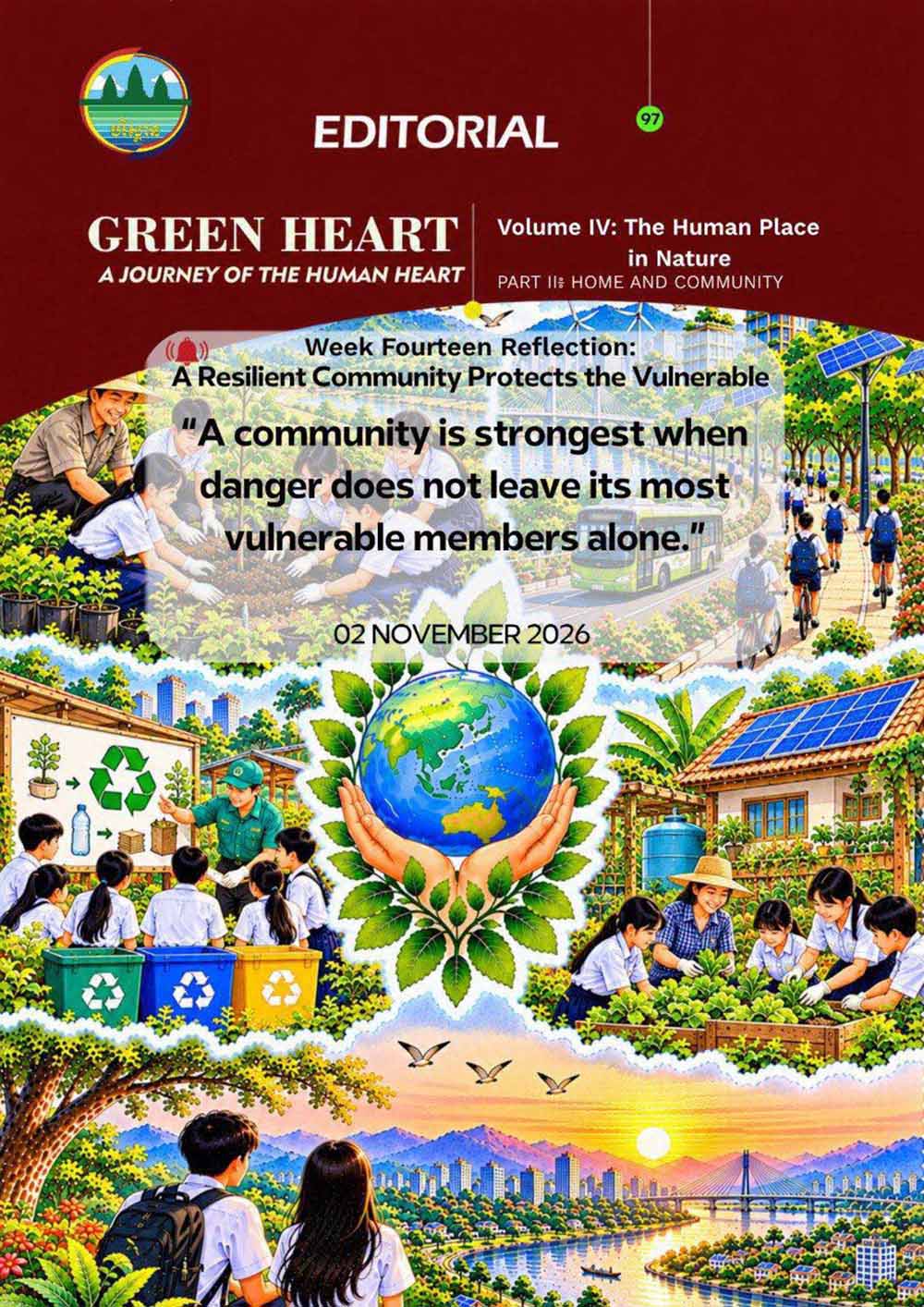
“A community is strongest when danger does not leave its most vulnerable members alone.”
Editorial
Floods, heat waves, storms, droughts, fires, disease outbreaks, and pollution do not affect everyone equally. Risk depends on exposure, sensitivity, and the ability to prepare, respond, and recover.
An older person living alone may need help during heat. A wheelchair user may face inaccessible evacuation routes. A family with little savings may struggle to rebuild. Outdoor workers may be unable to avoid dangerous temperatures without income protection.
Community resilience means more than strong buildings. It includes trusted relationships, early warnings, healthcare, safe water, transport, savings, insurance, shelters, functioning ecosystems, and plans that include everyone.
Vulnerable does not mean weak or incapable. People described as vulnerable often hold important knowledge and leadership. Risk may be created by inaccessible systems, discrimination, poverty, or missing services rather than by the person.
Inclusive planning asks people what they need. Emergency messages should reach different languages, ages, abilities, and technologies. Shelters should consider privacy, medicine, caregivers, children, and animals where possible.
Nature can support resilience. Trees offer shade, wetlands store water, mangroves reduce some wave energy, and healthy watersheds influence floods and drought. These benefits complement rather than replace safe infrastructure and emergency systems.
Preparedness should occur before crisis. Families can know official warnings, emergency contacts, meeting places, medicines, documents, and safe routes. Students should follow adult and authority guidance rather than enter dangerous situations.
Recovery must be fair. Rebuilding the same vulnerable conditions prepares the next disaster. Better recovery may improve housing, drainage, energy, ecosystems, access, and livelihoods.
Compassion becomes practical when a community knows who may need a call, transport, shade, clean water, translation, or extra time.
The test of resilience is not whether the strongest people can escape. It is whether care reaches those facing the greatest barriers.
When everyone is included in preparation, the community does more than survive. It learns that safety is a relationship.
Practice makes that relationship real. Drills, contact lists, accessible routes, shaded meeting points, and checked supplies reveal problems while time remains to correct them. Preparedness is care rehearsed before urgency arrives.
People who need medicine, assistance, transport, translation, or electricity-dependent equipment should help test the plan. Their participation transforms assumptions into practical knowledge.
Buddhist Reflection
Compassion naturally moves toward suffering and greater need. Protecting vulnerable people is not favoritism; it is wise care matched to actual conditions.
Today’s Reflection
Which barrier could make an environmental emergency harder for someone in my community?
Today’s Action
Ask a trusted adult how the local emergency plan includes children, older adults, disabilities, language needs, and people without transport.
Today’s Pledge
Today I will support resilience that protects dignity and leaves no vulnerable neighbor alone.
When we protect nature, we protect all beings—including ourselves.