

Opening Thought
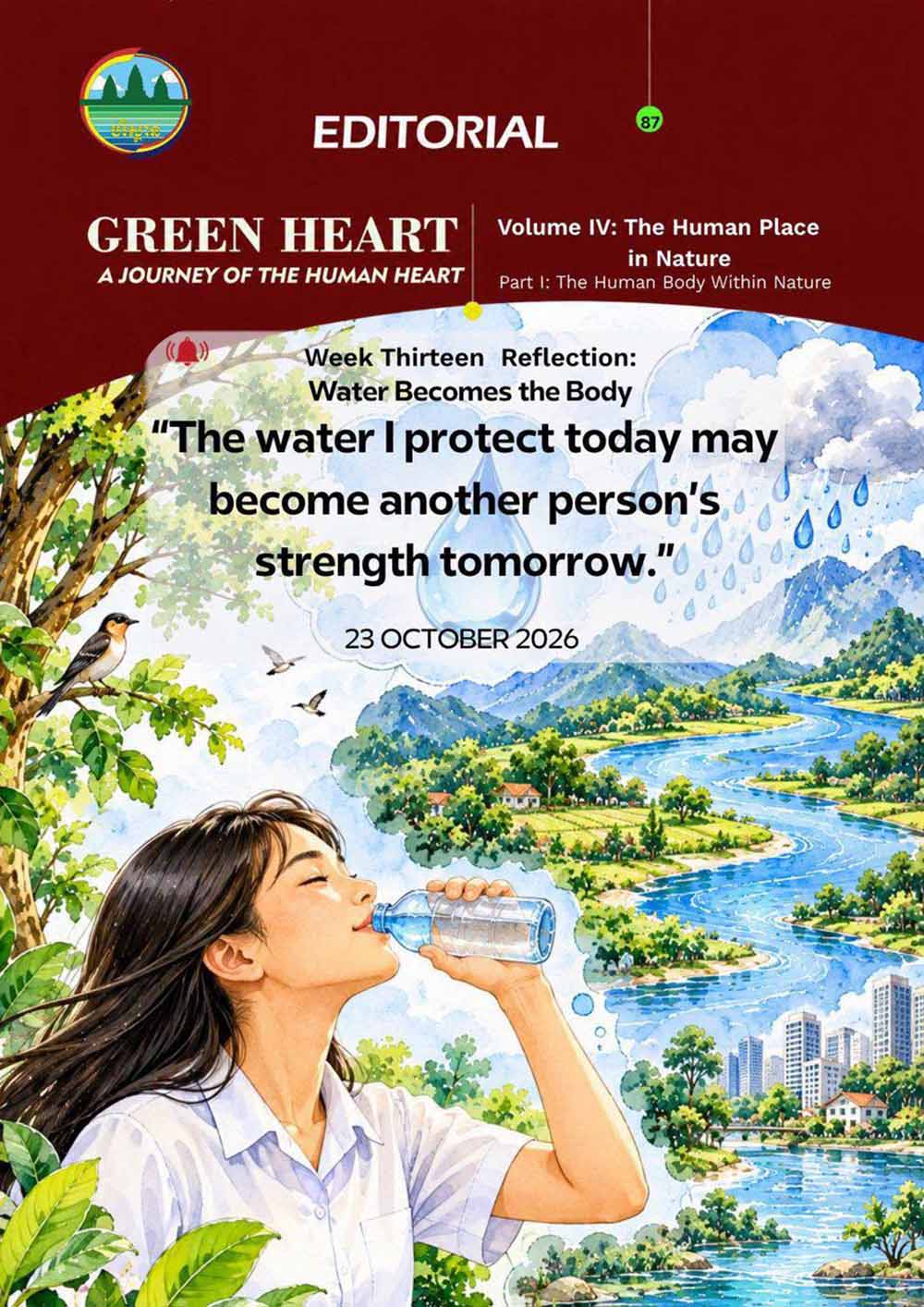
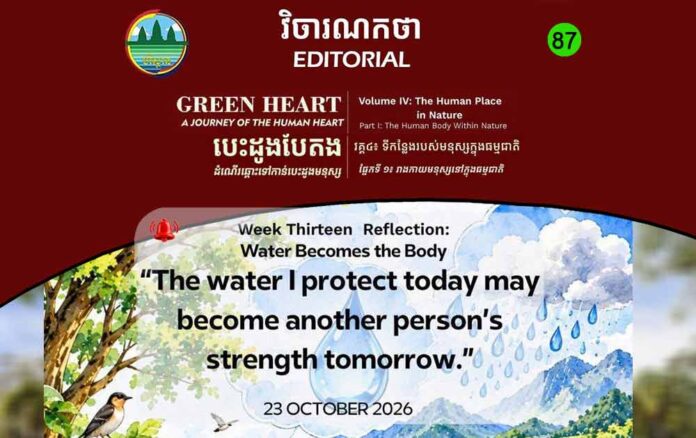
“The water I protect today may become another person’s strength tomorrow.”
Editorial
Water does not merely pass beside human life. It enters the body and becomes part of blood, cells, digestion, temperature control, and waste removal. We continually lose water through breath, sweat, urine, and other processes and must replace it.
The amount a person needs varies with age, body, activity, weather, health, pregnancy, diet, and other factors. Safe health guidance is more reliable than one rule for everyone. Both dehydration and excessive water intake can be harmful.
The quality of water matters. Disease-causing microorganisms, toxic chemicals, excess salt, and other contaminants can make water unsafe even when it looks clear. Treatment, sanitation, protected sources, safe storage, and regular monitoring save lives.
Collecting water is also a human burden. In communities without reliable services, women and children often spend time and energy obtaining it. This can affect education, safety, work, and health. Clean water access is therefore connected to dignity and opportunity.
Infrastructure brings environmental choices. Reservoirs, wells, pipes, pumps, and treatment plants provide essential benefits but require energy, land, maintenance, and fair planning. Leaks waste both water and the effort used to deliver it.
At home and school, safe storage is crucial. Containers should be clean and covered according to local health guidance. Standing water can provide breeding habitat for mosquitoes. Drinking sources must be protected from hands, cups, animals, and contaminants.
Water also becomes food. Crops, livestock, fish, kitchens, and processing all depend on it. Protecting watersheds and groundwater protects the body before the water ever reaches a tap.
No one should feel ashamed for needing water. Need is part of being alive. The ethical question is whether societies protect this need fairly and whether users return care by avoiding pollution and unnecessary waste.
Hold a glass of safe water and imagine it becoming thought, movement, laughter, and learning. Water becomes the body, and the body becomes action.
May the action it supports be worthy of the gift.
Water access must also remain dependable during drought, flood, power failure, or disaster. Backup sources, emergency treatment, stored supplies, and clear communication help communities protect the body when ordinary systems are interrupted.
Emergency plans should explain who tests the water, how warnings reach households, and which safe source people should use. Trust depends on clear responsibility before a crisis.
Buddhist Reflection
Water demonstrates receiving without ownership. It supports us for a time and returns to the wider cycle. Gratitude encourages careful use, while compassion asks that every person have safe and dignified access.
Today’s Reflection
What protects my drinking water between its source and my body?
Today’s Action
Trace your drinking water through source, treatment or protection, transport, storage, use, and return.
Today’s Pledge
Today I will receive water gratefully and support safe access for every life.
When we protect nature, we protect all beings—including ourselves.
#វិចារណកថា #eang #editorial #sophalleth